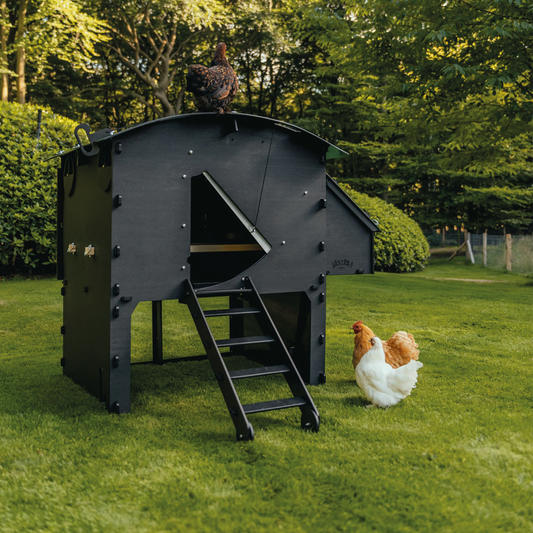
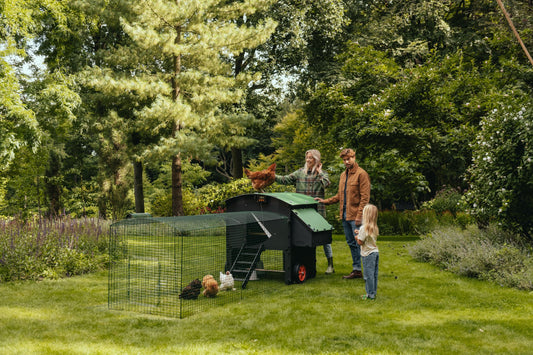
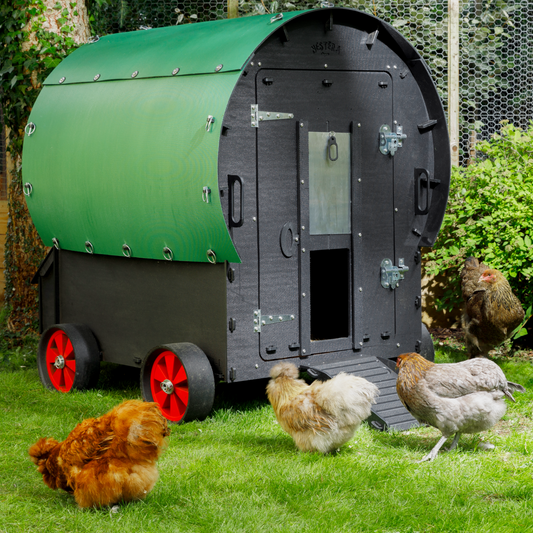
Just moved your hens into a new home and now they won't go into the coop at night? You're not alone — it's one of the most common worries for chicken keepers, and the good news is it's almost always temporary. Chickens are creatures of habit, so a new coop simply needs a short settling-in routine. Below are five simple, stress-free steps to get your flock roosting happily in their new coop.
The short answer: chickens resist a new coop because they don't yet recognise it as their bedroom. Place the coop where they already spend time, guide them in at dusk for 3–5 nights in a row, and let their natural roosting instinct do the rest.
Why won't my chickens go into their new coop?
Chickens are creatures of routine and don't easily adapt to new environments. When introduced to a new coop, they may not immediately recognise it as their sleeping quarters. This can lead to confusion and a reluctance to go inside — even if the new coop is safer and more comfortable than their old one. Interestingly, even moving the same coop a short distance can leave hens sleeping in unexpected places. It's rarely that they dislike the coop; they just need time to adjust.
1. Place the new coop where they already feel at home
To ease the transition, position the new coop inside (or right next to) the run or area your chickens already use. This helps them associate the new coop with familiar surroundings — like giving them a new house in their old neighbourhood. Keeping their feeder, water and favourite dust-bathing spot nearby reinforces that this is still home.

2. Visit at night during the first 3–5 days
For the first 3 to 5 nights (this can vary by breed), head out to the coop after dark with a torch. Check whether your chickens are roosting inside their new home or whether they've settled by the door or in a corner of the run — both common at first. This nightly check tells you how the settling-in is going and lets you step in if needed.
3. Gently guide them in at dusk
If your hens are sleeping outside, gently lift or usher them into the coop at dusk, just as they're naturally winding down. Let them explore and settle on the perch. Repeat this for several nights and they'll quickly learn that the coop is their roosting place. Always move them calmly and after dark, when chickens are docile and easy to handle.
4. Use their natural roosting instinct (and the light)
Chickens have a built-in sense for when day is ending — over thousands of years they learned to seek shelter at dusk to stay safe from night-time predators. You can work with this instinct rather than against it. Making sure the inside of the coop isn't darker or more enclosed than their outdoor roosting spot encourages them to choose it themselves.
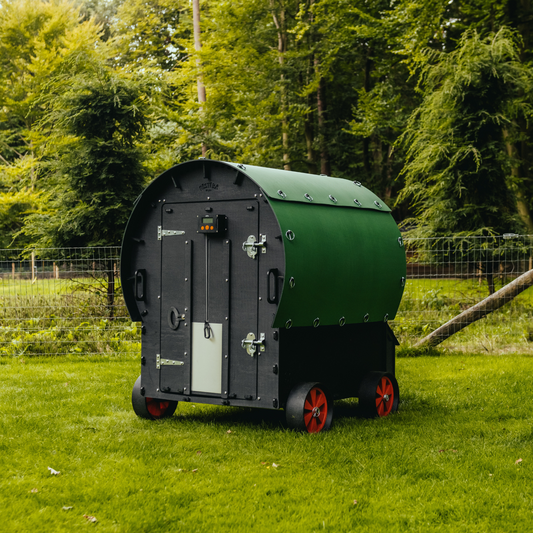
This is also where an automatic coop door helps: set to its light (lux) sensor, it closes the coop once the flock has gone in to roost and opens at first light — reinforcing a consistent bedtime routine while keeping predators out. Learn more in our guide to the benefits of an automatic coop door.
5. Be patient — familiarity breeds comfort
The key takeaway is that it's not that chickens dislike their new coop; they simply need time. With patience and a gradual introduction, they'll come to accept their new sleeping quarters and continue to thrive. Most flocks settle within a week.
Still won't go in? Quick troubleshooting
- They roost in the run, not the coop: temporarily block off the run's favourite roosting spot at night so the coop becomes the obvious choice.
- One or two hold-outs: place them on the perch after dark for a few nights — the rest of the flock usually follows the majority.
- They went in before but stopped: check for anything that's changed inside — dampness, a draught, or red mites can put hens off. See how to check your hens for red mites and lice.
- Brand-new point-of-lay birds: they may simply be young and unsure — give them a few extra days.
Frequently asked questions
How long does it take chickens to get used to a new coop?
Most flocks settle within 3 to 7 nights. Some birds adjust in a couple of days, while a nervous or very young flock may take up to two weeks.
Should I lock my chickens in the new coop to train them?
You don't need to confine them all day. Simply guiding them in at dusk for a few consecutive nights, and letting them out in the morning, is usually enough and far less stressful for the birds.
Why do my chickens sleep outside instead of in the coop?
Usually because they haven't yet recognised the coop as their roost, or they prefer a higher or more familiar spot. Placing them on the perch at dusk for several nights almost always solves it.
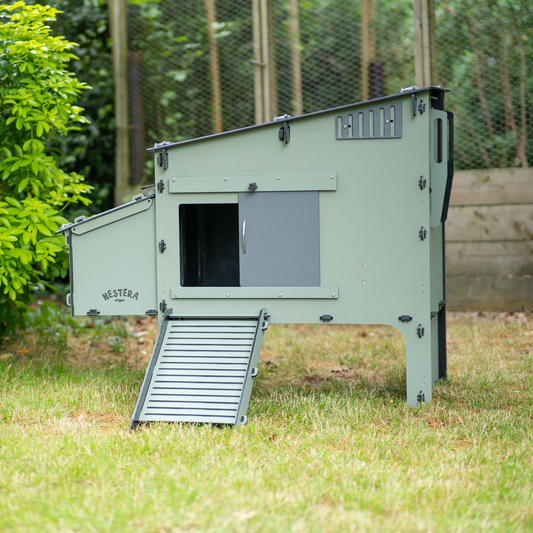
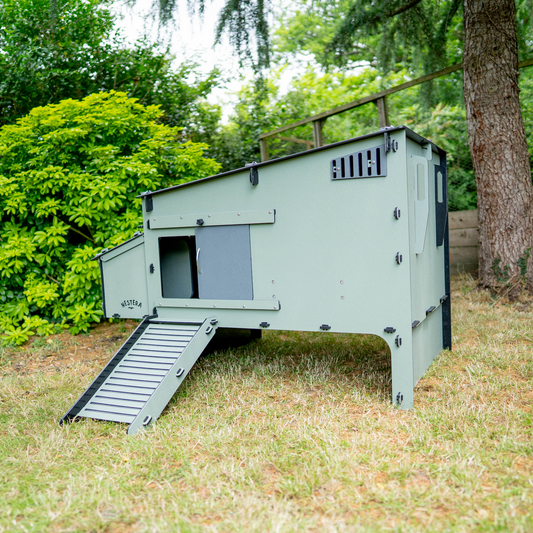
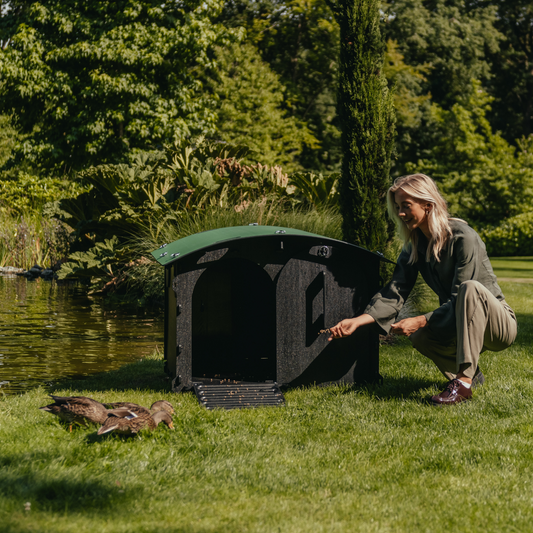
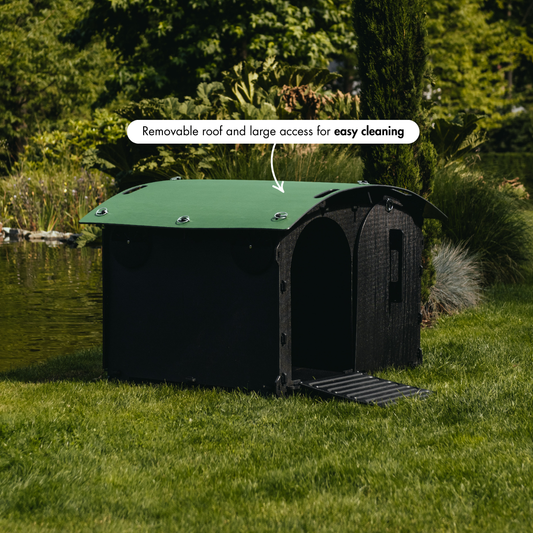
Looking to upgrade to an easy-clean home your flock will settle into? Explore the Nestera coop range — made from 70% recycled plastic and guaranteed for up to 25 years (depending on model).