Wondering whether you should wash fresh eggs from your backyard chickens? The short answer is: usually no, you shouldn't. Freshly laid eggs come with a natural protective coating, and washing it away can actually shorten how long they stay fresh. Below we explain why, when cleaning is genuinely worth it, and how to do it safely if you must.
Short answer: Don't wash fresh eggs you plan to store at room temperature. Their natural "bloom" keeps them protected. Only clean visibly dirty eggs, and refrigerate any egg once it has been washed.
Why You Might Be Tempted to Wash Fresh Eggs

It's completely understandable. Freshly laid eggs can sometimes have dirt, feathers, or a smear of manure stuck to the shell, so giving them a quick rinse feels like the hygienic thing to do. But washing isn't always the best move, especially when it comes to preserving the egg's natural defences and keeping it fresh for longer.
Do You Need to Wash Farm Fresh Eggs? Usually Not
The Natural Protective Bloom (Cuticle)
Every egg is laid with a thin, almost invisible coating called the bloom (or cuticle). This natural layer seals the thousands of tiny pores in the shell, helping to keep bacteria and moisture out so the egg stays fresh. Washing a fresh egg strips away this bloom, leaving the porous shell exposed and increasing the risk of contamination. That's the core reason most backyard keepers leave their eggs unwashed until they're ready to use them.
Cold or Hot Water Can Pull Bacteria In
Water temperature matters more than you might think. Washing fresh chicken eggs in cold water can cause the porous shell to contract, drawing bacteria from the surface inward. Very hot water can expand the egg's contents and create the same problem. Soaking or submerging eggs makes it worse still, raising the risk of shell damage and bacterial exposure.
Washed Eggs Have to Be Refrigerated
This is the big storage trade-off. Unwashed eggs with their bloom intact can sit safely at room temperature for several weeks, depending on your climate. Once you wash an egg, the bloom is gone, so it must be refrigerated straight away and will typically keep for a shorter time. If you'd like a deeper dive into shelf life and methods, see our guide to storing and preserving eggs from your backyard flock.
Washed vs Unwashed: A Quick Regional Note
If you've ever wondered why supermarket eggs sit on the shelf in some countries but in the fridge in others, this is why. In the UK and much of the EU, eggs are commonly sold unwashed and stored at room temperature, so the natural bloom stays intact. In the US, commercial eggs are typically washed and then refrigerated. Neither approach is "wrong" — they're simply two consistent systems. For your own flock, the key is to pick one approach and stick with it: leave eggs unwashed at room temperature, or wash and refrigerate. Where it matters (especially if you sell eggs), always defer to your local food-safety authority.
When Washing Fresh Eggs Might Be Necessary
Leaving eggs unwashed is best in most cases, but there are a few situations where a gentle clean is justified.
Heavily Soiled Eggs
If an egg is caked in mud or manure, cleaning it can be the safer choice to avoid spreading bacteria. Use water that's slightly warmer than the egg itself so you don't draw contaminants inside.

Eggs You Plan to Sell
Local food-safety regulations may require eggs to be cleaned before sale, and the rules vary by region. Always check your regional guidelines to make sure you're compliant before selling eggs from your flock.
Cracked, Dirty, or Smelly Eggs
Any egg that is visibly cracked, has an off smell, or is dirty enough to pose a hygiene risk should be inspected first. If it still seems usable, clean it gently, refrigerate it, and use it soon — or discard it if in doubt.
How to Clean Fresh Eggs Safely (If You Must)

If cleaning is genuinely needed, these simple steps keep things safe:
Use warm water: Around 90°F–100°F (32°C–38°C) is ideal — never cold or too hot.
Clean gently: Use a soft cloth, brush, or sponge to lift off dirt. Avoid soaking or submerging.
Dry immediately: Pat the egg dry with a clean towel to reduce surface moisture and bacteria.
Refrigerate: Once washed, store eggs in the fridge to keep them fresh and safe.
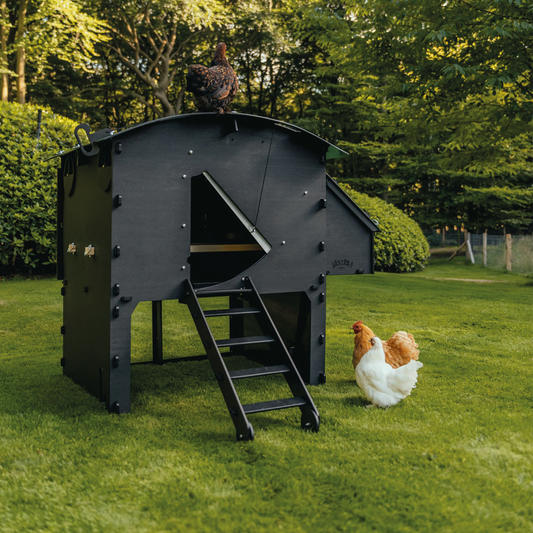
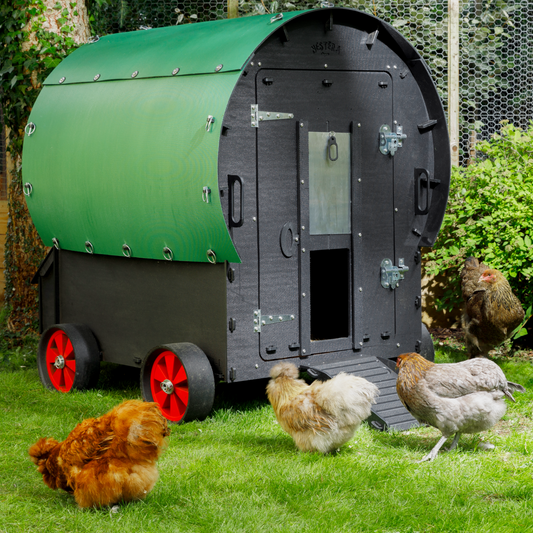
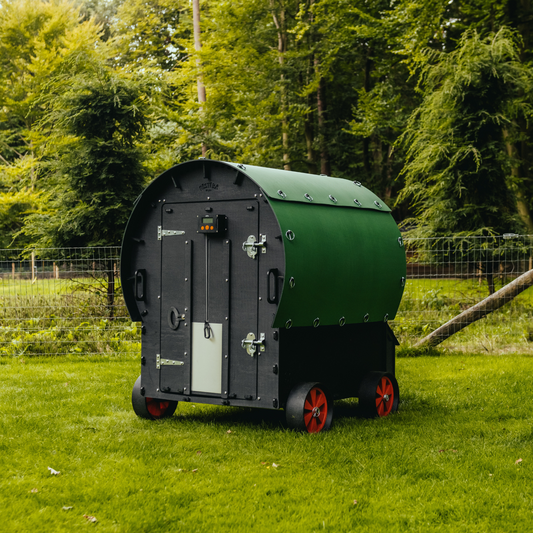
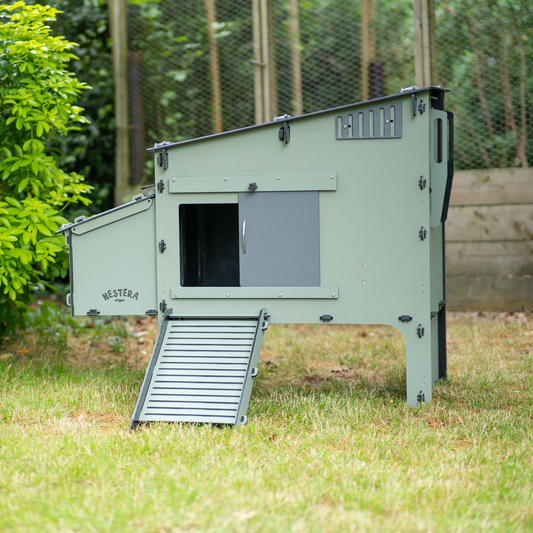
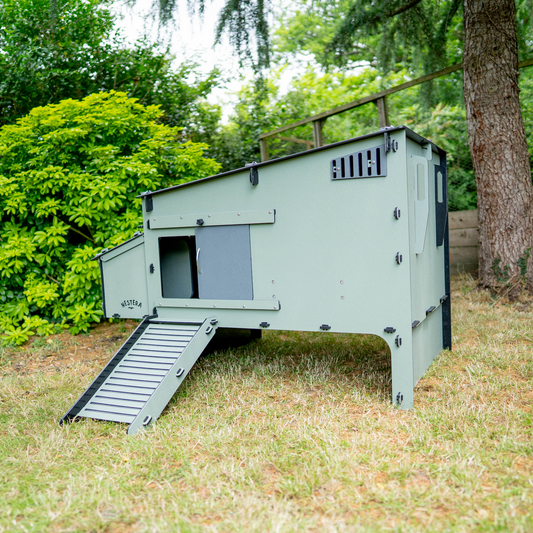
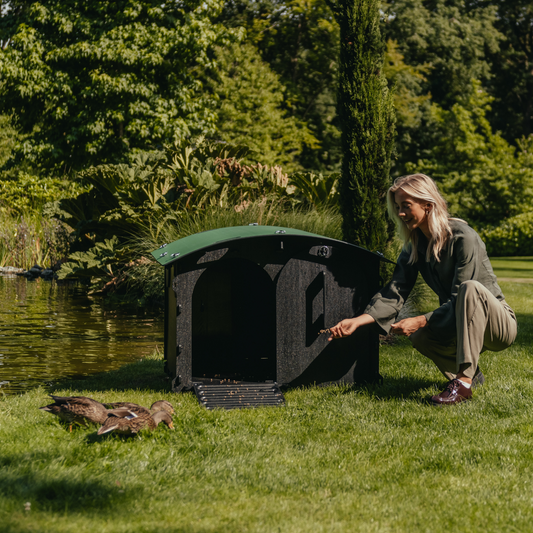
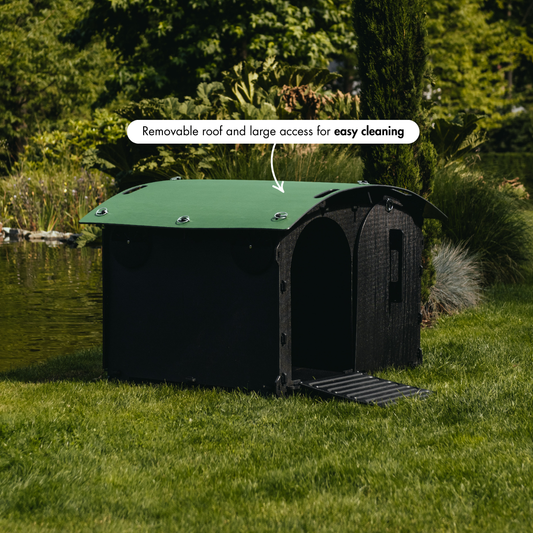
A clean, dry coop is the easiest way to reduce how often you need to wash eggs at all. Smooth, easy-clean nesting areas mean less dirt and manure ends up on the shell in the first place — one reason many keepers prefer a low-maintenance recycled-plastic chicken coop over timber, which can trap grime in cracks.
Frequently Asked Questions
Should you wash fresh eggs from backyard chickens?
In most cases, no. Unless an egg is visibly dirty or you're required to wash it for sale, it's best to leave fresh eggs unwashed so the natural bloom stays intact and protects them.
Do you need to wash farm fresh eggs before eating them?
You don't need to wash them in advance. Many keepers simply give an egg a quick clean right before cracking it, then cook it thoroughly. Just don't wash a whole batch ahead of time if you plan to store them at room temperature.
How long do unwashed fresh eggs last?
With the bloom intact, unwashed eggs can keep for several weeks at room temperature, depending on your climate, and longer if refrigerated. Washed eggs should always be refrigerated and used sooner. A clean coop and a calcium-rich diet both help produce strong, long-lasting shells — see what to feed your hens for high-quality eggs.
Is it better to refrigerate or leave eggs out?
Both work, as long as you're consistent. Leave eggs unwashed at room temperature, or wash and refrigerate them — but don't switch a room-temperature egg into the fridge after washing and back out again. Follow your local food-safety guidance where relevant.
The Bottom Line: To Wash or Not to Wash?

For most backyard keepers, it's best not to wash fresh eggs unless they're visibly dirty or you're required to by law. The natural bloom is a remarkably effective barrier against bacteria and helps your eggs stay fresh for longer. When you do need to clean an egg, use warm water, dry it well, and refrigerate it afterwards. For everyday use, simply collecting, inspecting, and storing your eggs in a cool, dry place is usually all it takes to enjoy fresh, safe eggs from your backyard hens.
Want fewer dirty eggs and easier collection from the start? A smooth, hygienic Nestera recycled-plastic chicken coop keeps nesting boxes cleaner and is built to last, so you spend less time scrubbing and more time enjoying your flock.