If you're wondering how many chickens you should get, the short answer is to start with at least three hens – chickens are flock animals and need company to stay happy and healthy. Beyond that minimum, the ideal number comes down to your household's egg needs, the space you have, and how much time you want to spend on care. Let's break it all down so you can choose the right flock size with confidence.
Short answer: Keep a minimum of three hens. For a typical family of four, four to six hens usually covers your eggs with a little to share – then size your coop and run to match (and leave a bit of room to grow).
How Many Chickens Should a Beginner Start With?

We always recommend that beginners start with at least three hens. Chickens are highly social animals that thrive in a flock, so the minimum number of chickens to keep is three, never one. Living in a group gives them a sense of security and warmth, especially during colder months.
Three is also a safety net: if one hen dies unexpectedly, the two remaining birds still have companionship. A single hen left on her own can become lonely, stressed, and even unwell. A trio is a small but stable starting point that's easy to manage while you find your feet.
How Many Hens for Eggs? Matching Flock Size to Your Household

One of the main reasons people start keeping chickens is for a steady supply of fresh eggs. But not all breeds lay the same amount, so it helps to do a little egg maths before you decide how many hens to get:
- Hybrid and commercial breeds can lay nearly one egg per day – roughly five to six eggs per hen, per week.
- Pure breeds might only lay around 100 eggs per year, with natural pauses over winter and the moult.
So how many hens do you need? A quick rule of thumb:
- A couple (2 people): 2–3 hens is usually plenty.
- A family of 4: 4–6 hens typically covers your eggs with a few spare to share.
- A larger or egg-loving household: 6–8 hens, but be realistic about how many you'll actually use.
It's easy to overestimate. Six productive hybrids might produce over 40 eggs a week – that's a lot for a two-person household, even if you love an omelette. Match the number of hens to your household's egg needs, not to how many birds will fit in the coop.
How Much Space Do Chickens Need?
While chickens are happy in a compact coop overnight, they need plenty of outdoor space during the day. If you're limited on space, it's better to keep fewer birds who have ample room to:
- Stretch and flap
- Scratch and peck
- Dust bathe
- Explore and forage
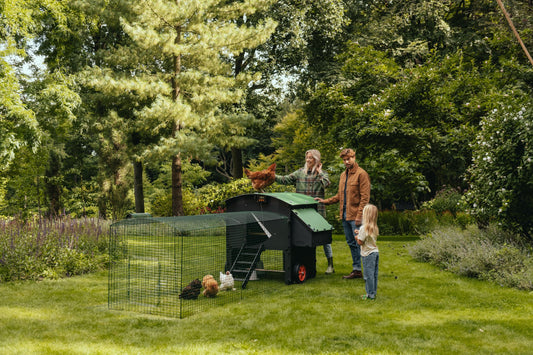
Too many hens in a small area can lead to stress, pecking, and illness. As a guide, allow generous room per bird in both the coop and the run, and don't be tempted to squeeze in “just a few more.” For the full breakdown of space per bird, see our guide on how big a chicken coop should be, and when you're ready to buy, what size chicken coop you need walks you through choosing one.
Resources: Cost, Time, and Cleanup
More chickens mean more of everything:
- Coop and run space

- Food
- Cleaning (and plenty of poop!)
- Wear on your lawn and garden
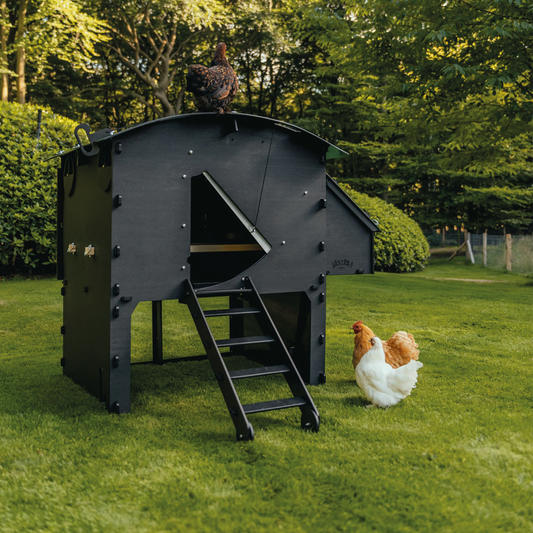
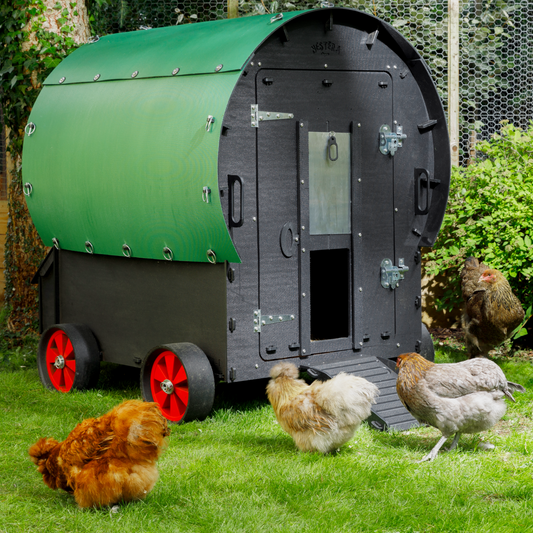
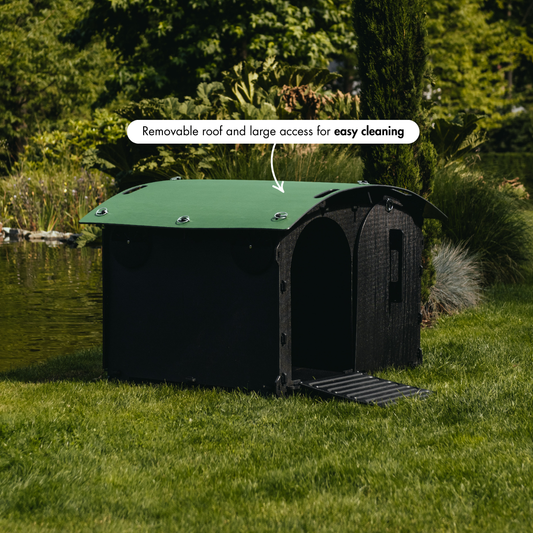
However, more birds don't always mean double the effort. For example, bantams cost more upfront but eat less, poop less, and are gentler on your garden – though they also lay fewer eggs. Cleaning is quicker, too, when your coop is easy to wipe down: our recycled-plastic coops have smooth surfaces and multiple access points with no cracks for red mites to hide in, unlike timber. Chicken keeping is a game of balance – finding the right dynamic can take time.
Leave Room to Grow: Beware of “Chicken Maths”
Almost every keeper falls for “chicken maths” – the irresistible urge to add “just one or two more” hens once you've caught the bug. It's worth planning for it from day one. Buying a coop and run with a little headroom above your starting flock means you can welcome a few extra birds later without overcrowding or having to upgrade everything.
That said, adding hens to an established flock can be tricky, as existing birds may be territorial toward smaller newcomers. Our guide on how to introduce new hens to your flock shows you how to do it smoothly. The sweet spot is a coop sized slightly above your current needs – room to grow, but not so large that three hens rattle around in it.
Why Starting Small Can Be Smarter
Caring for four hens is very different from looking after a dozen. Overcommitting can be overwhelming and might put you off chicken keeping altogether. Sometimes it's not that you dislike keeping chickens – it's just that you've taken on too many at once.
If in doubt, go slow and steady. Start near the minimum, get into a comfortable routine, and as your confidence and experience grow you can always add more to your flock.
Frequently Asked Questions
What is the minimum number of chickens to keep?
Three. Chickens are flock animals, and keeping three rather than two means that if one hen dies, the remaining birds still have company. A single hen on her own can become stressed and lonely.
How many hens do I need for a family of 4?
For a family of four, four to six hens of a good laying breed will usually cover your eggs with a few to spare. Choose hybrids if you want a near-daily egg supply, or pure breeds if you prefer variety over volume.
How many eggs will my hens lay each week?
A productive hybrid hen lays roughly five to six eggs a week in her prime, so three hybrids give you around 15–18 eggs a week. Pure breeds and older hens lay less, and laying naturally slows in winter and during the moult.
Can I keep just two chickens?
It's better not to. Two works in the short term, but if one passes away the other is left alone, which is stressful for such a social animal. Starting with three gives your flock a safer, more stable footing.
Ready to House Your New Flock?
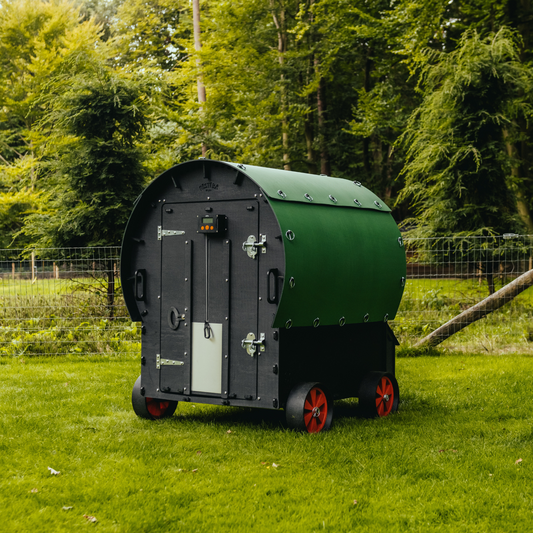
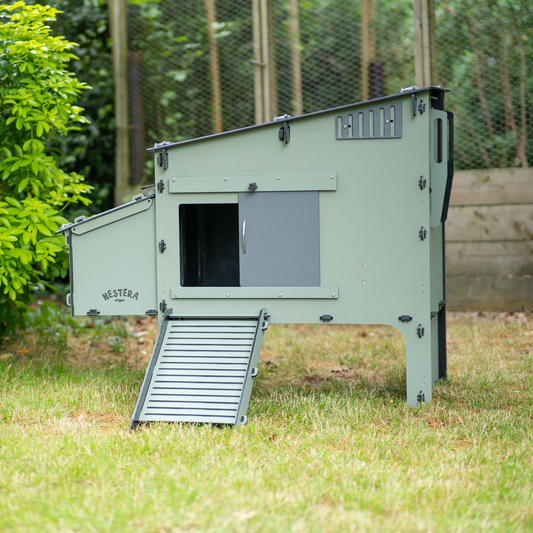
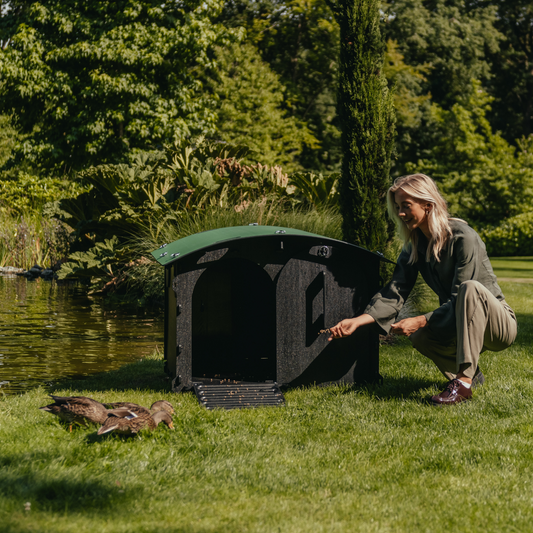
Once you've settled on a number, the next step is the right home. Our recycled-plastic House & Lodge coops come in size options to match your flock – Small for 3–5 hens, Medium for 5–9, and Large for 8–15 – with that handy bit of room to grow into. If you'd like a sleeker, modern design, take a look at the Aspen chicken coop. Both are made from durable, easy-clean recycled plastic with no nooks for red mites – so you can focus on enjoying your hens, not scrubbing their coop.