Can chickens and ducks live together? The honest answer is yes, they can – but only with the right setup and a clear understanding of where their needs collide. Plenty of backyard flocks mix the two happily, yet ducks and chickens have very different diets, water habits, sleeping styles and health risks. Before you house them side by side, here are the six biggest challenges of keeping chickens and ducks together, plus practical tips if you decide to give it a go.
Short answer: Chickens and ducks can coexist, but they're easiest to manage when they have separate housing and dedicated water. Mix them with care, give ducks their own bathing water and a ground-level shelter, and watch for bullying, mess and damp.
Do Ducks and Chickens Get Along? The 6 Main Challenges
If you're wondering whether ducks and chickens get along, it helps to know exactly where friction tends to appear. Here are six things many beginners don't realise before they put both species in one coop.
1. Different Dietary Needs (Including Niacin for Ducks)
Chickens and ducks have different dietary requirements. Ducks prefer much wetter food, which can cause sour crop issues in chickens, and the ingredients in each feed differ too. Ducklings in particular need more niacin (vitamin B3) than standard chick feed provides, so a duck-appropriate diet matters from day one.
There's a safety issue as well: chick crumb often contains a coccidiostat (to prevent coccidiosis) that can be poisonous to ducklings. Niacin is simply a general dietary note here – for specific feed, supplements or any health concern, always check with your vet or a qualified poultry specialist. If you'd like a deeper introduction to feeding and caring for ducks, our beginner's guide to keeping ducks walks you through the essentials, and our roundup of 8 brilliant duck breeds for beginners can help you choose the right ducks for your garden.
2. Water Requirements: Ducks Need Bathing Water, Chickens Don't
Ducks need access to water for swimming, bathing and cleaning their bills. While chickens are happy drinking from a standard waterer, ducks require a deeper water source – and that's where mixing them together gets tricky.
Shared setups often leave ducks short of bathing water, while larger tubs pose a real drowning risk for chicks and less agile adult birds. Those bigger water sources also become contaminated by ducks, making them unsuitable for chickens to drink from. In practice, keeping chickens and ducks together means providing two different water systems, not one.

3. Mess and Damp: Managing Muddy, Wet Conditions
Ducks are messier than chickens, especially around water. They quickly create muddy, wet conditions that chickens dislike, and that damp can lead to hygiene issues such as bumblefoot. Good drainage, dry bedding and a separate splash zone for the ducks go a long way.
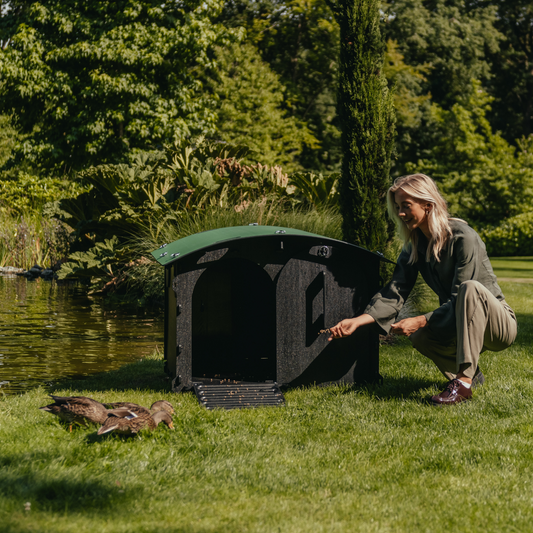
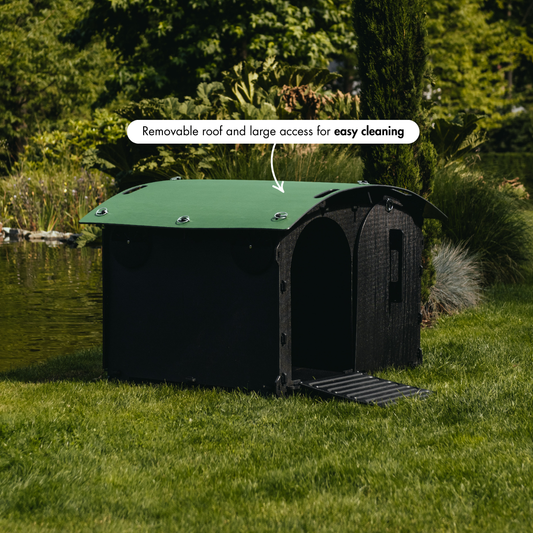
Easy-clean housing helps too. Because our Duck House is made from the same smooth, recycled-plastic material as our chicken coops – with no cracks for red mites to hide in – a quick hose-down is all it takes to keep it sparkling, even when ducks have been their usual splashy selves.
4. Housing and Roosting: Ducks Sleep on the Ground, Chickens Roost
At night, chickens prefer to perch up high, while most ducks like to roost at ground level. Housed together, that often leaves ducks getting pooped on from above. Ducks also tend to have wet lower feathers, which raises the humidity inside the coop.
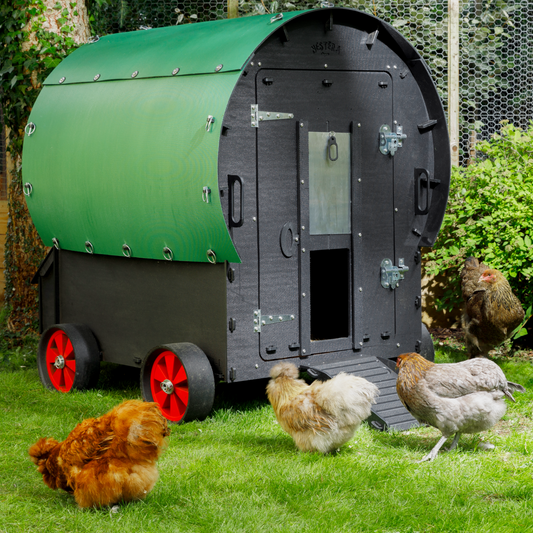
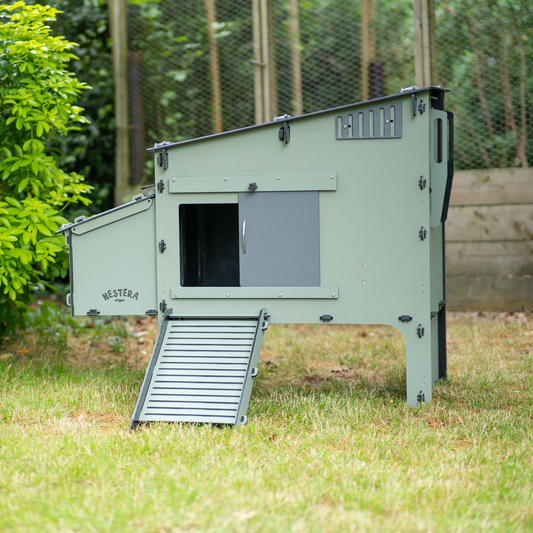
That extra moisture can make chickens more susceptible to respiratory infections, and both species can suffer from the higher ammonia levels that build up in a damp, shared space. This is the single biggest reason many keepers give ducks their own separate, ground-level housing rather than asking them to share a chicken coop. If you're still planning your chicken setup, our guides on how big a chicken coop should be can help you get the space right.

5. Social Dynamics and Bullying
Chickens and ducks have different social structures and behaviours, so keeping them confined in close proximity can lead to aggression or stress for both species. Drakes, in particular, may be amorous with hens and can even cause injury. Watch the flock closely when you first introduce them, and be ready to separate birds if bullying appears. The same calm, gradual approach we recommend in our guide to introducing new hens to your flock applies when mixing species.
6. Health and Biosecurity Risks
Chickens and ducks can carry different diseases and parasites, so mixing them increases the risk of disease transmission. Ducks can silently carry salmonella and are much more susceptible to avian influenza.
Historically, chickens and ducks were kept in the same flocks, but with better understanding of biosecurity, many specialist poultry vets now discourage the practice. We work with vets around the world and share the latest advice to help maximise poultry health and welfare – but for any parasite, illness or treatment question, always defer to your vet or a qualified poultry specialist. We also appreciate that part of the appeal of poultry keeping is how lightly regulated it is: ultimately, it's your choice how you keep your birds.
If You Do Keep Chickens and Ducks Together: Practical Tips
Decided to give a mixed flock a go? These steps make it far more likely to work:
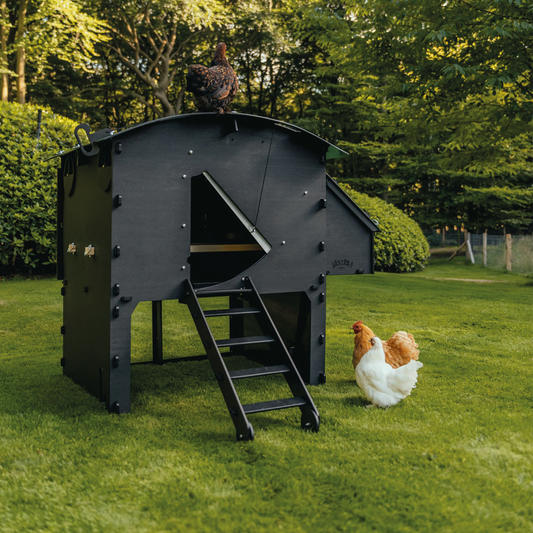
- Separate sleeping quarters. Give ducks their own ground-level shelter, like a dedicated Duck House, so chickens can roost up high and ducks stay dry below.
- Two water systems. Provide a deep bathing source for ducks and a clean, shallow drinker for chickens – ideally in different spots.
- Manage the mess. Use good drainage and dry bedding, and site duck water away from the coop to limit mud and damp.
- Feed appropriately. Offer duck-suitable feed and avoid medicated chick crumb where ducklings can reach it.
- Watch for bullying. Introduce species gradually and step in early if drakes or hens become aggressive.
- Stay on top of biosecurity. Keep housing clean, watch for signs of illness, and consult a poultry vet with any health concerns.
Frequently Asked Questions
Can chickens and ducks live together in the same coop?
They can share an outdoor space, but a single coop is rarely ideal. Ducks roost on the ground and bring in damp, while chickens perch up high – so most keepers give ducks separate, ground-level housing and let the two species free-range together by day.
Can ducks and chickens share a coop at night?
It's possible but not recommended. Sharing a coop overnight raises humidity and ammonia from wet duck feathers, leaves ground-roosting ducks exposed to droppings from perching chickens, and can increase respiratory and hygiene problems for both.
Do ducks and chickens get along?
Many do, especially with plenty of space and free-range time. Problems usually come from amorous drakes, competition at feeders and waterers, or overcrowding – so watch for bullying and give each species what it needs.
What do I need to keep chickens and ducks together successfully?
Separate housing for ducks, two water systems, good drainage, species-appropriate feed and a close eye on flock behaviour and health. Get those basics right and a mixed flock can thrive.
Ready to House Your Flock the Easy-Clean Way?
Whether you keep ducks, chickens or both, the right housing makes everything simpler. Explore our recycled-plastic Duck House for a dedicated, easy-clean home for your ducks, or browse our recycled-plastic chicken coop range – built to be hygienic, durable and red-mite resistant, so you can spend less time scrubbing and more time enjoying your birds.