Knowing how to prevent red mites is one of the most valuable skills any chicken keeper can have. Red mites are tiny, nocturnal blood-sucking parasites that hide in your coop by day and feed on your birds by night. They can appear at any time of year, but the warmth of the summer months gives them ideal conditions to multiply fast – so good prevention beats trying to clear an established infestation.
Short answer: the best way to prevent red mites is consistent coop hygiene – clean little and often, choose easy-clean smooth surfaces with no cracks to harbour mites, inspect perches and crevices regularly, and quarantine any new birds or second-hand equipment before they join your flock.
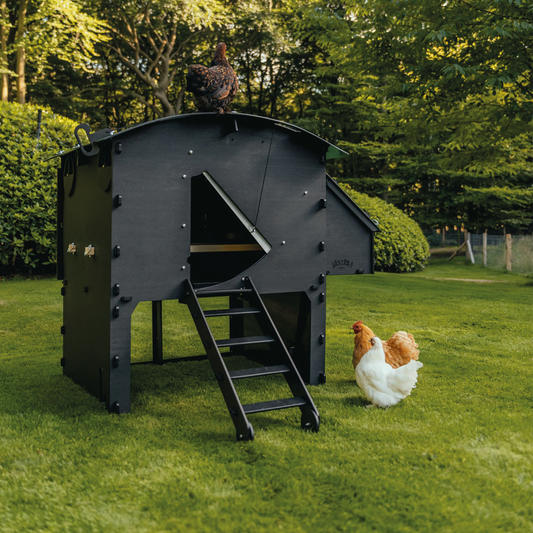
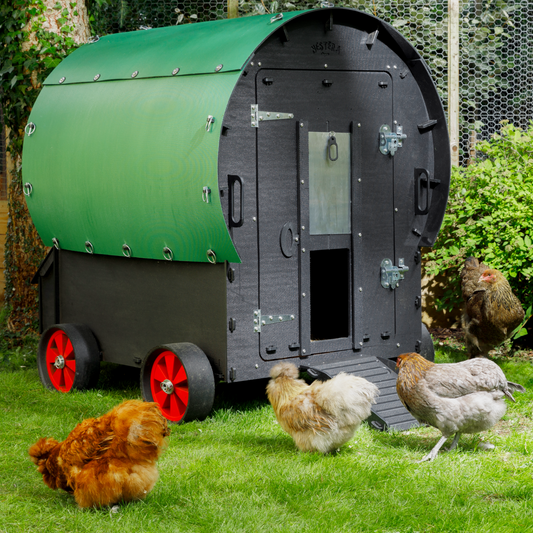
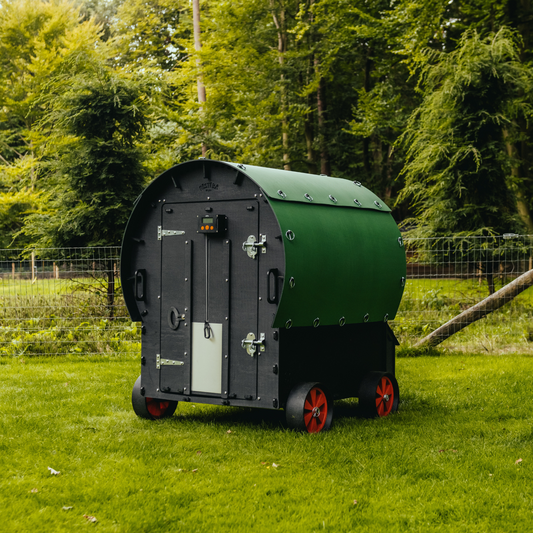
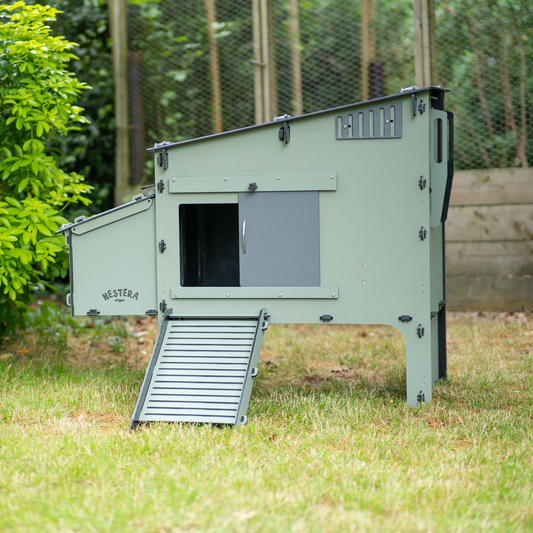
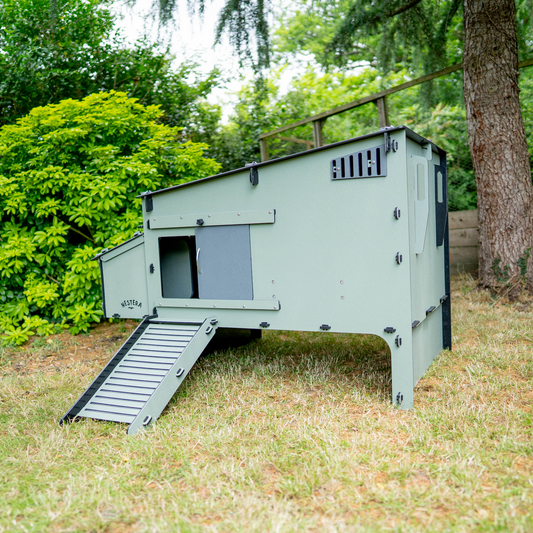
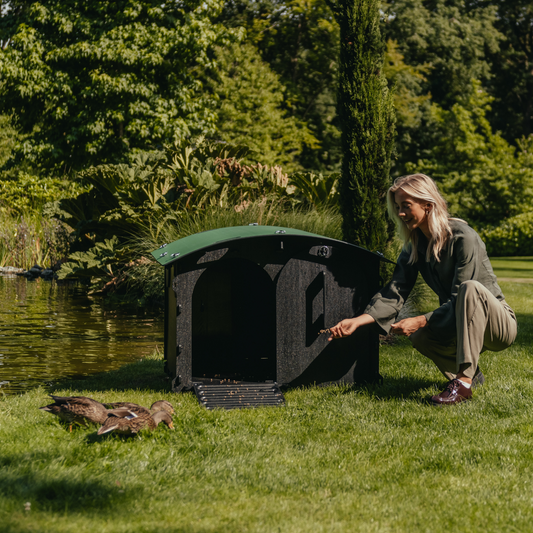
Nestera chicken coops are designed with red mite prevention in mind: smooth recycled-plastic surfaces give mites very few places to hide, unlike the cracks and joints of a timber coop. Here are five practical tips to help keep your birds free from these parasites.

1. Spot the warning signs early
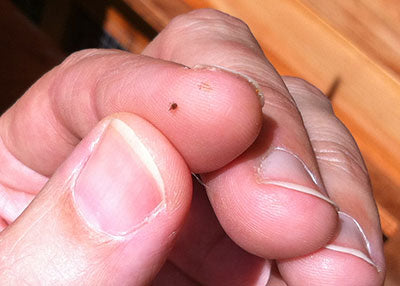
The first step in preventing a red mite problem from spreading is catching it early. Are your chickens' combs fading in colour or looking pale? Have you noticed your birds no longer want to go into the coop at night, preferring to roost outside instead? Do they seem weaker, lethargic or off their lay?
If you answered yes to any of these, it's time to thoroughly check the inside of your coop for evidence of red mites. An effective method is to wrap a piece of white cardboard or paper around the perch overnight and inspect it the following morning – tell-tale red or grey smears and tiny moving specks reveal mites hiding there. For a full walkthrough, see our guides on how to recognise red mites and their effects on poultry and how to check your hen for lice and red mites.

2. Clean the coop frequently to stop red mites
Regular cleaning is the single most important way to prevent red mites. Ideally, droppings trays should be refreshed every morning, with the coop given a thorough weekly clean-out to remove any droppings that missed the trays.
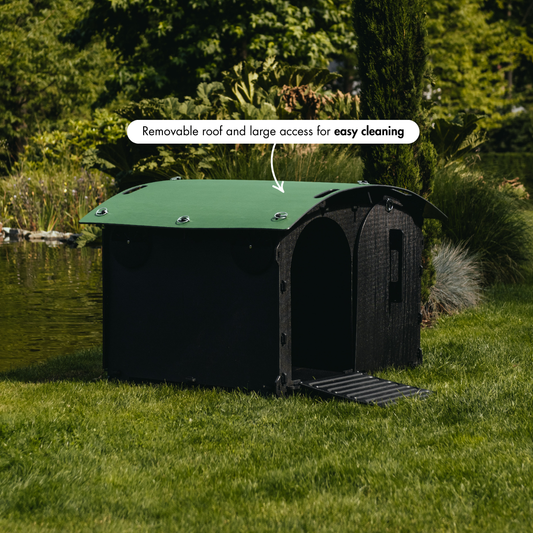
Once a month, give the coop a deep clean: empty it completely, brush out every corner, then hose down or pressure-wash the inside and outside. Pay close attention to perch ends, joints and any crevices – these are exactly where mites cluster during the day.
This is where coop material makes a real difference. Our coops are made from 70% recycled plastic with smooth, easy-clean surfaces and no cracks for mites to hide in, unlike traditional timber. They also dry extremely quickly after washing, so cleaning takes far less time. You can read more about why a plastic chicken coop is easier to keep mite-free.
3. Use the right bedding in your droppings trays
Many keepers make the mistake of using straw to catch droppings, but red mites love straw – its hollow strands make a perfect daytime hiding place. Far better alternatives for droppings trays are hay, wood chips, sawdust or wood ash. If you'd like more options, see our guide to the best bedding for chicken coops.
It's even said that keepers once used dried fern as a natural red mite deterrent. You can dry fern leaves yourself and add them to your droppings trays as an extra preventative measure.

4. Limit contact with wild birds
Red mites often arrive on the backs of wild birds drawn to your run. These visitors use your chickens' feeder or drinker and bring parasites with them, which then climb onto a hen and hitch a free ride straight into the coop.
Using a net, covered run or an anti-pest feeder limits the food scraps wild birds forage for, which in turn reduces the contamination of your chickens' habitat. A well-positioned coop and run also helps keep wild-bird traffic to a minimum.
5. Inspect and quarantine new birds and second-hand kit
If you expand your flock or replace birds, it's wise to quarantine all new arrivals before they mix with your existing hens. This avoids passing red mites – or other parasites – from the environment a new bird has come from into your coop. Always inspect new birds closely for signs of ill health or parasites, and take the same care with any second-hand coop or equipment, which can carry dormant mites in its joints. Our guide on how to introduce new hens to your flock walks through doing this safely.

Frequently asked questions about preventing red mites
How do I prevent red mites in my chicken coop?
Clean little and often, choose a coop with smooth, easy-clean surfaces and no cracks, use mite-unfriendly bedding such as hay or wood ash, inspect perches and crevices regularly, and quarantine new birds and second-hand equipment. Prevention is far easier than clearing an established infestation.
When are red mites most active?
Red mites thrive in warm weather, so they're most active and breed fastest during the summer months. Step up your coop checks and cleaning frequency as temperatures rise.
Why are plastic coops better at resisting red mites?
Timber coops have cracks, joints and rough surfaces where mites shelter and lay eggs. A smooth recycled-plastic coop leaves them very few hiding places and is far quicker to clean and dry, making consistent prevention much easier.
I think I already have red mites – what should I do?
Deep-clean the coop straight away and step up your hygiene routine. For treatment products or if your birds seem unwell, always consult your vet or a qualified poultry specialist for advice suited to your flock.
Prevention starts with the right coop
The easiest way to stay on top of red mites is to make prevention effortless. Our range of red mite-resistant, recycled-plastic chicken coops is built with smooth, easy-clean surfaces and no timber cracks for mites to hide in – so a quick, regular clean keeps your flock healthy and gives you real peace of mind.